
Politics can feel like a never-ending circus, complete with acrobats juggling promises and clowns making outrageous claims. But beneath the colorful chaos lies a complex web of power dynamics, policies, and decisions that shape our everyday lives. Whether it’s local elections or international treaties, understanding the intricacies of politics is essential for anyone who wants to navigate the world effectively.
Diving into politics isn’t just for the wonks in suits. It’s for anyone who’s ever wondered why their favorite coffee shop closed or why their taxes seem to vanish into thin air. This article peels back the layers of political systems, revealing the motivations and strategies that drive leaders and influence public opinion. Get ready to explore the serious side of politics with a sprinkle of humor, because who says you can’t learn while having a good laugh?
Overview of Politics In-Depth
Politics encompasses a range of complex dynamics shaping societal structures. Understanding power dynamics remains essential, as these influence decisions on crucial policies, including healthcare and education. People often encounter political rhetoric that may seem chaotic, yet there’s a method behind these claims.
Policies govern everything from local issues to international treaties. Alternatives in governance models exist, such as democracy, authoritarianism, and socialism. Each model presents a different approach to managing power and resource distribution.
Individuals engage in politics through various means, such as voting and advocacy, which impact their communities. Political parties play significant roles, often reflecting broader societal values and interests. Diversity in party platforms allows voters to align with specific agendas based on their beliefs.
Media coverage continuously shapes public perception of politics. Journalists and commentators analyze events, providing context that helps demystify complex political actions. Social media platforms now enable rapid information dissemination and public discourse.
International relations create additional layers of intrigue, affecting global cooperation and conflict. Countries negotiate treaties and partnerships with varying goals, influenced by national interests and international law. The interplay of domestic and global politics illustrates the interconnected nature of these systems.
Voter turnout statistics highlight the importance of civic engagement. According to the United States Census Bureau, approximately 66.8% of eligible voters participated in the 2020 presidential election. This high level of engagement underscores the power citizens possess to drive change.
With these aspects in mind, exploring politics in-depth reveals the intricate web of motivations and strategies underpinning political decision-making. Understanding these dynamics empowers individuals and enhances political literacy.
Key Political Theories
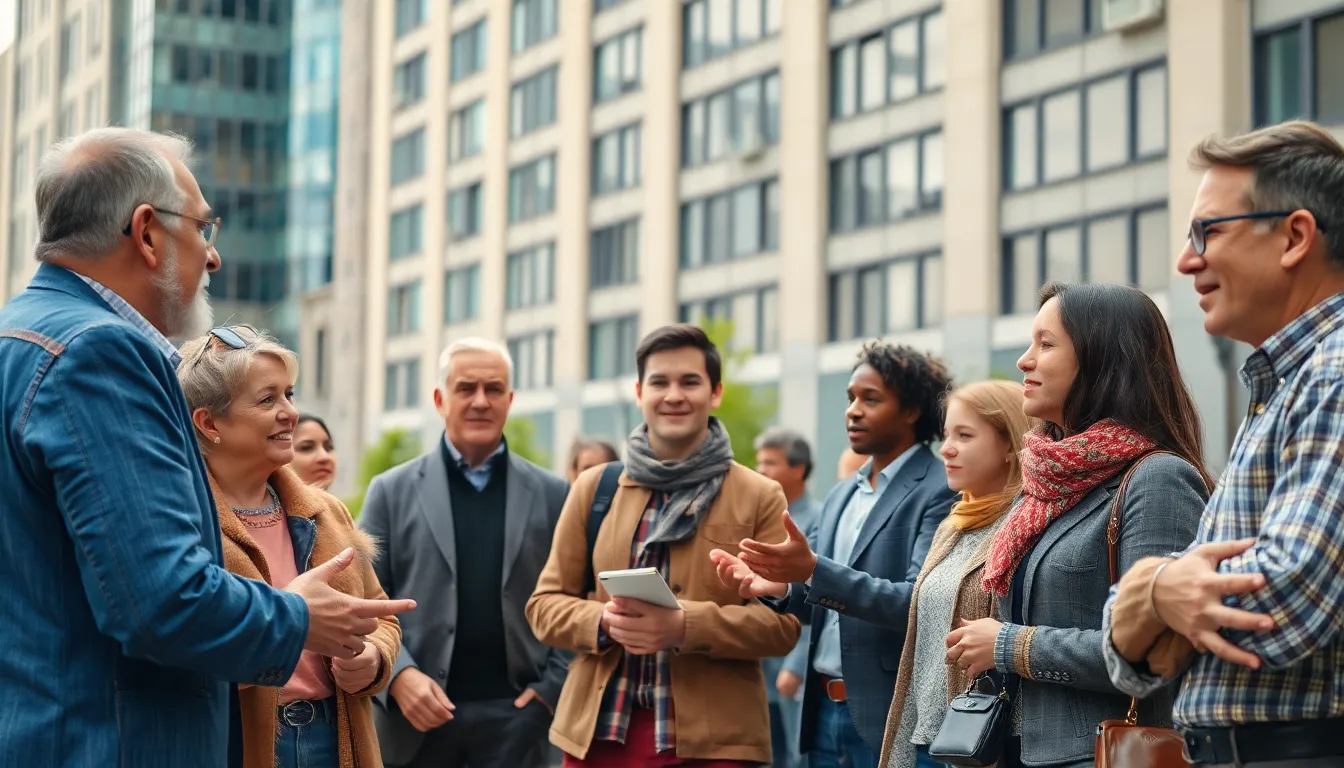
Political theories offer insights into how societies govern themselves and interact with power. Understanding these theories enhances comprehension of political dynamics.
Liberalism
Liberalism emphasizes individual rights and freedoms, advocating for democratic governance. This theory values personal autonomy, promoting free expression and equal opportunity. Market economies typically align with liberal principles, encouraging competition and entrepreneurship. Governments under liberalism often implement policies that protect civil liberties, ensuring citizens enjoy fundamental rights. An example of liberalism in practice is the promotion of universal suffrage, allowing all eligible individuals to vote. Historical contexts, such as the Enlightenment, significantly shaped liberal thought, impacting modern democracies.
Conservatism
Conservatism prioritizes tradition and stability, emphasizing the importance of established institutions. This theory advocates for gradual change, often favoring preservation over radical shifts. Community values and social cohesion play crucial roles in conservative ideology. Conservatism often supports limited government intervention, focusing on personal responsibility. In practice, conservative policies might include fiscal restraint and law enforcement enhancement. Movements like the American conservative movement reflect these principles, advocating for a strong national defense and family-centric policies.
Socialism
Socialism seeks to address economic inequality through collective ownership of resources. This theory argues for the equitable distribution of wealth, aiming to reduce disparities in society. In socialist systems, government often plays a significant role in managing the economy, ensuring access to essential services like healthcare and education. Many countries adopt varying degrees of socialism, blending it with other political systems. An example includes Nordic countries, which combine social welfare programs with capitalist economies to promote social welfare. Historical movements, such as the labor movement, underscore socialism’s roots in advocating for workers’ rights.
Political Systems Around the World
Political systems vary significantly across the globe, influencing governance and societal organization. Understanding these systems helps clarify the complexities of power dynamics.
Democracies
Democracies allow citizens to participate directly in decision-making processes. Different types emerge, such as representative democracies and direct democracies. In representative democracies, elected officials make decisions on behalf of the people, while direct democracies involve citizens voting on specific issues. Voter engagement remains critical, evidenced by the 66.8% participation rate in the 2020 U.S. presidential election. Democracies often emphasize individual rights and civil liberties, making liberalism a prominent ideology within this system. Examples include the United States and many European nations that promote democratic values and human rights.
Authoritarian Regimes
Authoritarian regimes maintain strict control over political power, often limiting individual freedoms. Leaders in such systems centralize authority, suppress opposition, and manipulate elections. Resource distribution frequently favors elites, creating systemic inequality. Notable examples include North Korea and Belarus, where government oversight curtails civil liberties. Citizens in these regimes may experience propaganda and censorship, as media serves state interests rather than promotes transparency. The lack of public input contrasts sharply with democratic societies, highlighting the importance of free expression in democratic governance.
The Role of Media in Politics
Media significantly influences political landscapes. As a conduit of information, its power shapes public perception and discourse.
Traditional Media
Traditional media includes television, radio, and newspapers. Journalists play a key role in reporting on government actions and policy developments. These outlets often provide in-depth analysis, helping audiences understand complex issues. According to a Pew Research study, 57% of U.S. adults rely on news organizations to remain informed about politics. Information dissemination through traditional media channels affects opinions, especially during elections. Many voters turn to these sources for fact-checking and clarifying misleading statements. Political advertisements also thrive in these arenas, shaping voter behavior and preferences. Investigative journalism often reveals corruption, holding politicians accountable and prompting changes in governance. Overall, traditional media serves as a foundation for informed political engagement.
Social Media
Social media platforms like Twitter, Facebook, and Instagram facilitate rapid information sharing. These tools enable direct interaction between politicians and constituents, fostering engagement. Rapid responses to political events amplify public reactions, often leading to trending discussions. A survey indicates that 69% of U.S. adults use social media, making it a significant source for political news. While these platforms democratize information access, they also spread misinformation quickly. Viral posts can sway public opinion, sometimes contradicting verified reports. Activism also flourishes within social media spaces, where grassroots movements mobilize support for causes in real time. Ultimately, social media reshapes the political landscape, redefining how citizens engage with politics and each other.
Major Political Issues Today
Today’s political landscape faces numerous challenges that significantly impact societies. Two pressing issues are climate change and economic inequality, which require urgent attention from policymakers.
Climate Change
Climate change represents a critical global dilemma impacting every nation. Rising average temperatures lead to extreme weather events like hurricanes, droughts, and floods, affecting millions globally. The Intergovernmental Panel on Climate Change (IPCC) reports that immediate action can limit global warming to 1.5 degrees Celsius. Policymakers are urged to implement renewable energy sources, improve energy efficiency, and promote sustainable practices. Citizens increasingly demand stronger climate action from their governments, highlighting the relationship between environmental policies and public health. Addressing climate change entails significant investment and collaboration between countries, businesses, and individuals.
Economic Inequality
Economic inequality poses a significant threat to societal stability and growth. Wealth concentration among the top 1% has reached unprecedented levels, leading to widespread discontent. According to the U.S. Census Bureau, the Gini coefficient, a measure of income inequality, continues to rise, indicating a widening gap between rich and poor. Governments must address access to education and healthcare to mitigate these disparities. Universal basic income and progressive taxation have gained traction as potential solutions. Advocacy for fair wages and labor rights is vital in fighting economic inequality. An emphasis on equitable wealth distribution fosters social cohesion and increases overall economic prosperity.
Understanding politics is essential for navigating today’s complex society. It’s not just about the noise; it’s about grasping the underlying motivations and strategies that influence decisions affecting everyday life. The interplay between media, public engagement, and political dynamics shapes how communities respond to issues like climate change and economic inequality.
As citizens become more informed and engaged, they can drive meaningful change. By recognizing the significance of their voices and actions, individuals contribute to a more equitable and just society. Political literacy empowers everyone to participate in shaping the future, ensuring that their values and concerns are represented in the political arena.