

In a world where opinions fly faster than a politician dodging a question, political surveys have become the crystal balls of democracy. They’re not just numbers and graphs; they’re the pulse of public sentiment, revealing what people really think about the issues that matter. Whether it’s who’s winning the race or what policies are making waves, surveys provide the inside scoop that even the best gossip columns can’t touch.
Imagine being able to predict the next big political shake-up over a cup of coffee. Political surveys make that possible. They capture the mood of the masses, turning complex political landscapes into bite-sized insights. So if you’re curious about what’s brewing in the political pot, buckle up. This article dives into the fascinating world of political surveys and why they’re essential for anyone wanting to stay ahead in the game.
Understanding Political Surveys
Political surveys provide essential insights into public opinion and political behavior. They capture sentiment related to key issues and candidates.
Definition of Political Surveys
Political surveys, also known as opinion polls, quantify the views of a particular group within the electorate. These surveys use structured questionnaires to gather responses from participants. The results reveal attitudes on topics like policies, candidates, and current events. Organizations and researchers conduct these surveys to gauge voter intent and public perception.
Importance of Political Surveys
Political surveys play a crucial role in shaping democracy. Decision-makers rely on survey data to tailor policies and platforms. Candidates monitor surveys to understand their standing among constituents. Media outlets use survey results to inform the public on prevailing trends. Moreover, accurate surveys can predict election outcomes and identify emerging issues.
Types of Political Surveys
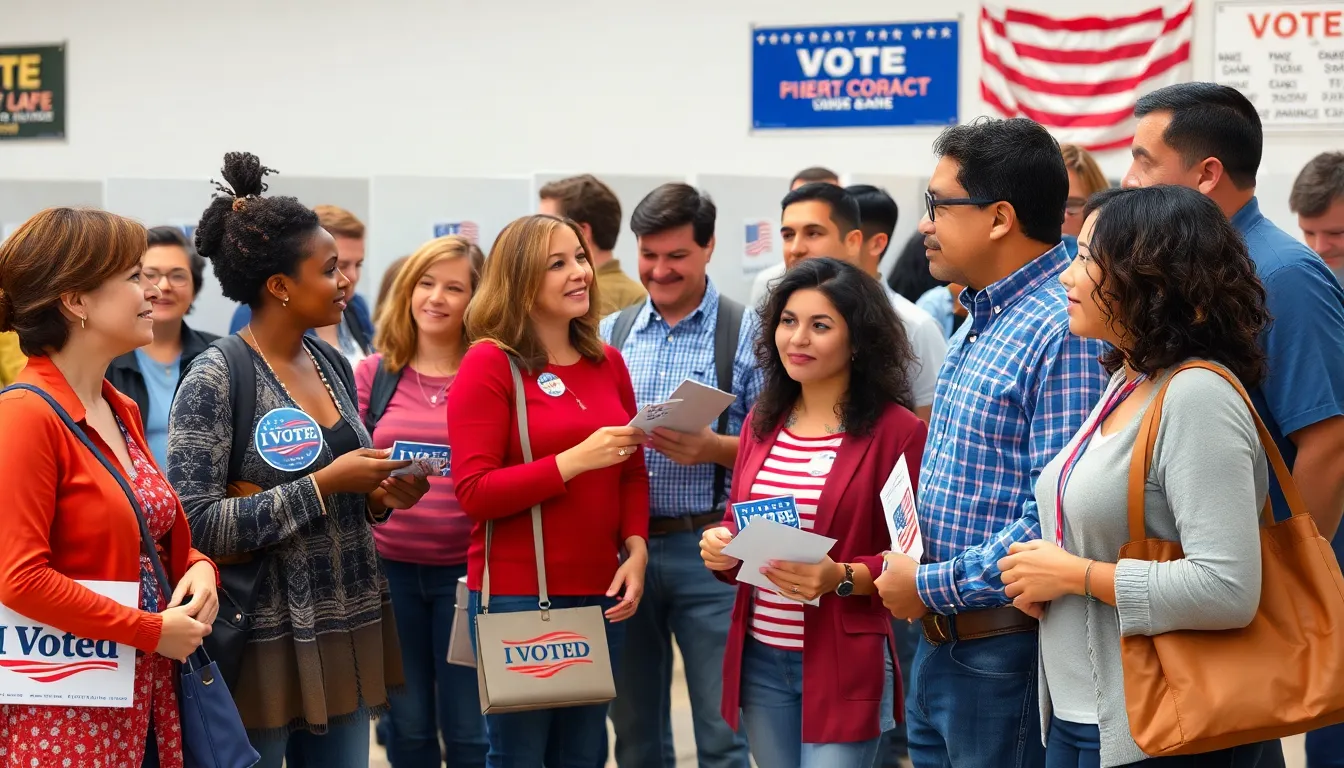
Understanding the different types of political surveys clarifies how they contribute to gauging public opinion.
Opinion Polls
Opinion polls measure the preferences and attitudes of a particular population. These surveys often ask respondents about their support for candidates or issues, typically in the lead-up to elections. The results offer a snapshot of the electorate’s sentiment at a specific time, making them crucial for political campaigns. Campaign managers use data from opinion polls to adjust strategies and messaging. Media organizations frequently report on these polls to inform the public about potential election outcomes.
Exit Polls
Exit polls are conducted immediately after voters leave polling places. They gather information on voter choices and demographic data, providing insights into how different groups voted. Political analysts rely on exit polls to predict election results before official counts are completed. Additionally, these surveys help identify trends and shifts in voter behavior. Data from exit polls influences future campaign strategies and policy decisions, emphasizing their importance in the electoral process.
Tracking Polls
Tracking polls monitor changes in public opinion over time. These surveys typically involve repeated sampling of the same group to capture fluctuations in support for candidates or issues. By analyzing tracking polls, strategists can assess the effectiveness of campaign messages and adjust accordingly. These polls provide valuable insight into voter sentiments leading up to an election, allowing campaigns to react to emerging trends. Political analysts often reference tracking polls to forecast election results and understand voter dynamics.
Methodology of Conducting Political Surveys
Conducting political surveys involves carefully crafted methods to ensure accuracy and reliability. This process encompasses various components, including sampling techniques and question design.
Sampling Techniques
Sampling techniques are vital in obtaining representative data. Simple random sampling allows each respondent an equal chance of selection, making results more valid. Stratified sampling divides the population into subgroups, ensuring diverse representation. Cluster sampling collects data from selected groups, balancing costs and practical considerations. These techniques maintain the integrity of survey findings, making the data reflective of broader public sentiments. Adjusting sample sizes based on the population’s characteristics enhances precision and minimizes biases.
Question Design
Question design significantly influences survey outcomes. Clear, unbiased questions help prevent confusion and ensure respondents understand their choices. Multiple-choice questions facilitate quick responses, making analysis simpler. Open-ended questions encourage detailed feedback, capturing nuanced opinions. It’s essential to avoid leading questions that may skew results. Phrasing questions neutrally enhances the validity of findings. Pre-testing questions on small groups allows researchers to identify potential issues before larger deployments, ensuring high-quality data collection.
Analyzing Political Survey Results
Analyzing political survey results involves carefully examining data to draw meaningful conclusions about public opinion. Accurate interpretation demands attention to detail and an understanding of the survey’s context.
Interpreting Data
Data interpretation focuses on identifying trends and patterns within survey results. Analysts observe demographic factors, such as age, gender, and location, which reveal how different groups may respond to issues. Percentages and margins of error provide clarity on how much confidence one can place in the results. Survey results may reflect a significant shift in voter sentiment, showcasing critical insights for candidates and policymakers. Reviewing historical data can further help in contextualizing the findings, allowing for comparisons over time that highlight evolving political landscapes.
Common Misconceptions
Misconceptions about political surveys abound, often leading to misunderstandings about their validity. One common belief is that a single survey accurately represents the overall electorate; however, the sample size and methodology greatly impact reliability. Surveys might not account for non-respondents, causing skewed results. Another fallacy suggests that favorability ratings alone indicate a candidate’s chances of winning; in reality, broader factors influence election outcomes. Additionally, many overlook the significance of question wording, which can greatly affect how respondents interpret and answer questions. Recognizing these misconceptions enhances one’s comprehension of survey results and their implications for political strategies.
Political surveys play a crucial role in shaping the political landscape by providing insights into public opinion. They offer a window into the electorate’s thoughts on candidates and policies, aiding decision-makers and campaigners alike. By understanding the methodologies behind these surveys and recognizing their limitations, individuals can navigate the complexities of political data with greater confidence.
As the political environment continues to evolve, staying informed through reliable survey data becomes increasingly important. Engaging with these insights empowers voters and stakeholders to make informed decisions, ultimately strengthening the democratic process.