

Politics can feel like a circus, complete with clowns, acrobats, and the occasional lion tamer. Everyone’s got a unique perspective, and navigating these viewpoints can be as tricky as walking a tightrope. Understanding political perspectives isn’t just for the political junkies; it’s essential for anyone who wants to make sense of today’s world.
From the passionate debates to the social media rants, each perspective shapes our society in profound ways. Whether someone leans left, right, or somewhere in between, these views influence policies, culture, and even the coffee shop conversations. Buckle up as we dive into the colorful tapestry of political perspectives, where opinions clash and sometimes, just sometimes, a little laughter can bridge the divide.
Understanding Political Perspective
Political perspectives encompass a wide range of beliefs and values that shape individual viewpoints. Each perspective influences how people interpret events, policies, and societal issues. Exploring these viewpoints allows for a deeper understanding of motivations behind political actions.
People often categorize political perspectives into various ideologies. Major categories include liberalism, conservatism, socialism, and libertarianism. Each ideology proposes different solutions to societal problems, influencing debates on issues like healthcare, education, and the economy.
Conversations around political perspectives can become contentious. Participants may hold strong beliefs, leading to heated exchanges. Finding common ground fosters more productive discussions. Humor often serves as a bridge, helping to lighten tense moments and encourage openness.
Context plays a pivotal role in shaping political perspectives. Cultural, historical, and socioeconomic factors contribute to how individuals form their views. For instance, someone raised in a community valuing social justice may approach issues differently from someone in a more traditional environment.
Engaging with diverse perspectives enhances critical thinking. Exposure to various opinions can challenge preconceived notions and widen understanding. Active listening and respectful dialogue encourage the exchange of ideas, leading to more informed opinions.
Recognizing the significance of political perspectives encourages awareness. Individuals often miss how their own views fit into larger discussions. By exploring these perspectives, they become active participants in societal conversations. This engagement not only enriches personal understanding but also contributes to the broader discourse on pressing societal issues.
Importance of Political Perspective
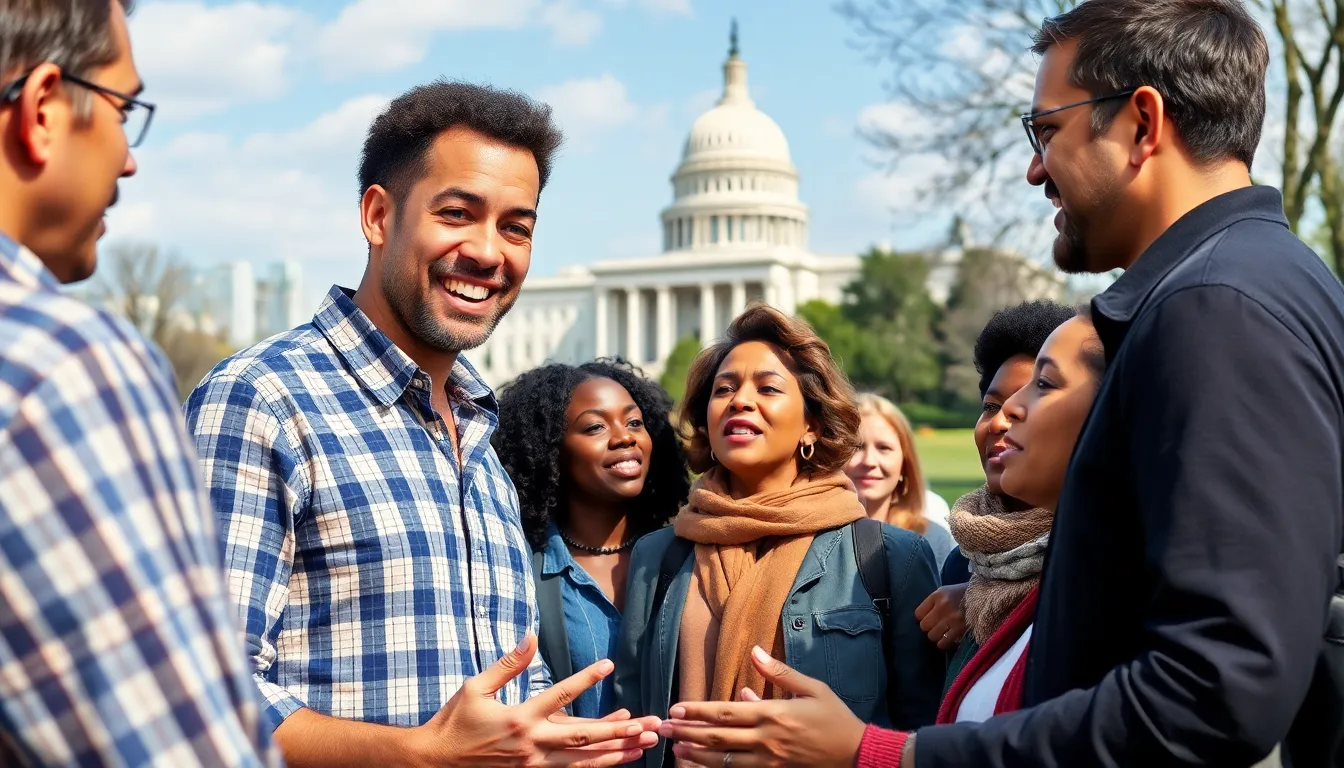
Understanding political perspectives matters significantly. Awareness of diverse viewpoints shapes society and influences daily interactions.
Influencing Public Opinion
Political perspectives play a crucial role in shaping public opinion. Diverse beliefs impact how individuals process information. Policies gain traction when they resonate with constituents, reflecting their values. Voter sentiments shift based on the political narratives presented by media outlets, social networks, and influencers. Engaging discussions help clarify complex issues. Activism fosters awareness regarding key topics like climate change and education reform. Mobilizing communities leads to informed decision-making, encouraging active participation in democracy.
Shaping Policy Decisions
Policy decisions arise from prevailing political perspectives. Political ideologies inform lawmakers on critical issues like healthcare, taxation, and education. Lawmakers often craft legislation reflecting constituents’ needs and desires. Public pressure can drive changes in governmental priorities. Engaging different viewpoints helps policymakers consider the broader implications of their decisions. Collaborations between parties facilitate more comprehensive solutions, addressing diverse constituents’ concerns. Informed perspectives lead to stronger, more effective policies that impact society’s well-being.
Different Types of Political Perspectives
Understanding various political perspectives enriches discussions and promotes awareness. Each perspective reflects distinct beliefs and values that influence societal issues.
Liberal Perspective
Liberals typically advocate for social equality and government intervention in the economy. They prioritize civil rights and support policies like universal healthcare and environmental protections. An emphasis on progressive taxation appears in liberal discourse, as it aims to reduce income inequality. Additionally, inclusive education reforms shape their view on improving educational access for marginalized groups. Political debates often see liberals advocating for robust social safety nets to support vulnerable populations, highlighting their commitment to welfare programs.
Conservative Perspective
Conservatives emphasize tradition, personal responsibility, and minimal government interference in economic matters. Their advocacy for free-market policies seeks to stimulate growth while limiting the role of government in business. This perspective champions a strong national defense, viewing it as essential for maintaining security. Family values play a significant role in conservative ideology, often reflected in their opposition to initiatives viewed as detrimental to traditional family structures. Political discussions frequently spotlight issues such as tax cuts and deregulation, where conservatives argue these measures strengthen the economy and encourage individual initiative.
Progressive Perspective
Progressives push for systemic change to address social injustices and promote equality. They seek innovative solutions to issues like climate change, advocating for sustainable policies that lessen environmental impact. Economic reform often centers on dismantling corporate influence in politics, aiming for greater government accountability. Progressives emphasize the importance of grassroots movements to drive social change, encouraging community engagement and activism. Debates often highlight their focus on healthcare as a fundamental right, further illustrating their commitment to ensuring all individuals receive access to necessary medical services.
Analyzing Political Perspective in Current Events
Political perspectives influence current events profoundly. Analyzing various viewpoints offers deeper insights into societal issues and policies.
Case Studies
Case studies provide real-world examples of political perspectives manifesting in action. The recent healthcare reform debate illustrates this vividly. Proponents of liberal policies advocate for universal coverage, while conservative factions push for private solutions. In another instance, climate change discussions spotlight progressive activists pushing for immediate action against environmental threats. These examples highlight how differing perspectives can shape legislative agendas and public discourse. Engaging with these case studies aids in understanding complex political dynamics.
Media Representation
Media representation significantly shapes public perception of political perspectives. News outlets often frame stories through specific ideological lenses. Liberal media may amplify social justice narratives, while conservative platforms often emphasize traditional values and government skepticism. This selective portrayal affects how audiences interpret events and engage in discussions. Understanding media bias equips individuals to navigate political information critically. Moreover, recognizing these patterns enhances awareness of how various perspectives are validated or dismissed in the public domain.
Understanding political perspectives is essential for navigating today’s complex societal landscape. Engaging with diverse viewpoints not only enriches discussions but also fosters a more informed electorate. By recognizing the influence of cultural and historical contexts on these perspectives, individuals can better appreciate the nuances that shape public opinion.
Moreover, humor can serve as a powerful tool to bridge divides and encourage open dialogue. As people become more aware of the political narratives that impact their lives, they can actively participate in shaping policies that reflect their values. Ultimately, embracing this diversity leads to a more vibrant democracy and stronger communities.