

Political parties are like the pizza toppings of democracy—everyone has their favorite, but not everyone agrees on the best combo. They shape the way people think, vote, and engage in the political process, often turning even the most mundane issues into heated debates. Whether it’s a passionate rally or a heated Twitter exchange, political parties bring color to the often gray world of governance.
Overview of Political Parties
Political parties serve as essential vehicles for organizing political beliefs and mobilizing supporters. They represent a range of ideologies, influencing public opinion and shaping policy debates. In democratic systems, these parties facilitate voter engagement by providing choices during elections.
Voters align with parties that resonate with their values, preferences, and interests. This alignment often leads to collective actions through rallies, debates, and social media campaigns, amplifying political messages. Political parties also play a critical role in legislative processes, as they often define the majorities needed to pass laws.
Membership numbers can significantly impact a party’s effectiveness. A larger membership often translates into more resources for campaigns and greater influence over local and national governance. Groups within parties may focus on specific issues, such as healthcare, education, or the environment, allowing for diverse representation of opinions.
Coalitions form when parties collaborate to achieve common goals, especially during elections or legislative sessions. These alliances can maximize effectiveness but may also reveal ideological differences an overall strategy. Political parties can adapt over time, responding to shifts in public sentiment and demographic changes, which ensures their relevance in changing political landscapes.
Through these dynamics, political parties not only enrich discussions but also bridge gaps between citizens and government institutions. The ability to transform simple issues into significant debates underscores their crucial role in modern governance.
Functions of Political Parties
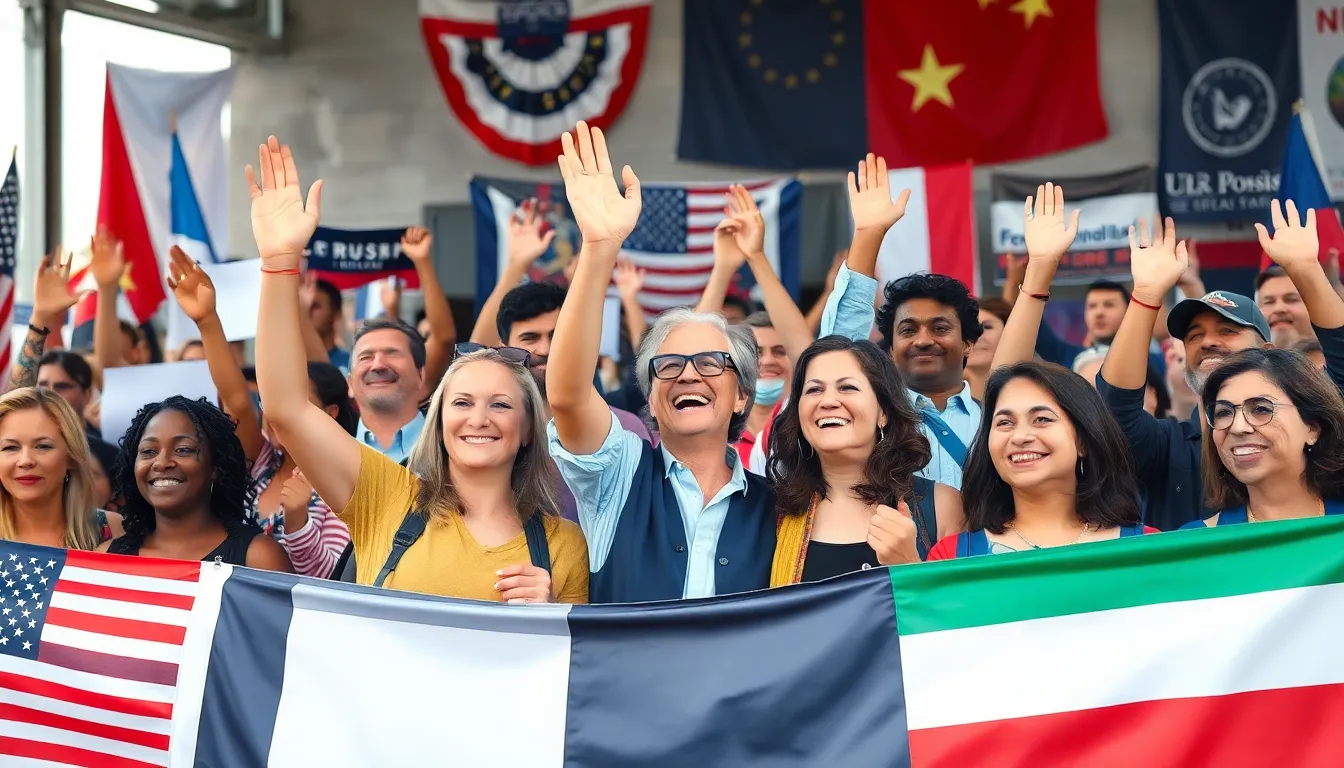
Political parties serve essential functions in the political landscape, influencing governance and public engagement. Their role includes representation and participation, both critical to a functioning democracy.
Representation
Political parties represent diverse interests and ideologies within society. They aggregate individual preferences into coherent platforms that voters can support. Each party highlights specific issues, allowing citizens to align their choices with values and priorities. This connection fosters an inclusive political environment, ensuring that various segments of the population have a voice. By advocating for policies that reflect their constituents’ needs, parties facilitate a direct link between citizens and government actions.
Participation
Participation in the political process is heightened through party involvement. Political parties engage voters by organizing events and fostering discussions on critical issues. They provide avenues for citizens to express their opinions and influence decision-making. Mobilizing supporters for rallies and campaigns enhances electoral engagement, encouraging individuals to participate in voting. Parties also educate citizens about the political system, informing them about candidates and policies. Access to these resources empowers voters and strengthens democratic practices.
Types of Political Parties
Political parties can be classified into major and minor parties, each playing a distinct role in the political landscape.
Major Parties
Major parties dominate the political scene, often capturing most seats in legislatures. The Democratic Party and the Republican Party are prime examples in the United States, influencing national policies and shaping voter preferences. These parties tend to have extensive organizational structures and significant resources, leading to stronger electoral performances. They typically express broad ideologies that appeal to a wide range of voters. Competitive elections often revolve around the platforms offered by these parties, making them crucial in determining legislative agendas and national priorities.
Minor Parties
Minor parties, also called smaller parties, contribute to the political landscape by addressing specific issues or representing unique ideologies. Examples include the Green Party, which emphasizes environmental concerns, and the Libertarian Party, focusing on individual liberties. Although they rarely win major offices, these parties impact national debates by introducing new ideas and influencing larger party platforms. Minor parties can sway elections by drawing votes away from major candidates. Their presence encourages a broader discussion of diverse issues, enriching the political dialogue within the democratic system.
Political Parties and Elections
Political parties play a crucial role in shaping the electoral landscape. They not only mobilize supporters but also create strategies for campaigns that resonate with voters.
Role in Campaigns
Parties manage campaign efforts by developing platforms that reflect their ideologies. They recruit candidates who align with their values and prepare these individuals for public service. Events like rallies, fundraisers, and debates highlight party initiatives, drawing attention to key issues. Additionally, they utilize media and digital outreach, spreading messages widely across diverse demographics. Voters benefit from clear communication about candidate positions, which aids informed decision-making. Effective campaigns often lead to increased voter turnout, further demonstrating the influence of political parties in elections.
Influence on Voter Behavior
Political parties significantly shape voter behavior through their messaging. They engage voters by addressing concerns relevant to various segments of the population. Campaigns often focus on issues such as healthcare, education, and the economy, all of which resonate with attendees. Personal connections cultivated during events enhance voter loyalty, fostering a sense of belonging. Additionally, parties employ targeted advertising to influence perceptions and encourage participation in elections. Research indicates that voters frequently identify with the values and visions presented by parties, reinforcing electoral choices for candidates that align with their interests.
Challenges Facing Political Parties
Political parties encounter significant challenges that impact their effectiveness and public perception. Two major issues include fragmentation and declining public trust.
Fragmentation
Fragmentation within political parties occurs when diverse factions emerge. These factions, driven by differing ideologies or interests, can weaken party cohesion. Splinter groups often focus on specific issues, leading to competing messages that confuse voters. For example, in the United States, disagreements among Democrats and Republicans can splinter party unity during elections. This fragmentation can result in decreased voter loyalty and support. Moreover, it complicates coalition-building efforts, making consensus on key policies increasingly difficult for party leaders. Ultimately, fragmentation hampers the ability of political parties to present a united front, which is essential for effective campaigning and governance.
Public Trust
Public trust significantly influences the effectiveness of political parties. Many citizens express skepticism about political institutions, resulting in lower voter engagement. Trust can erode due to perceived corruption, lack of transparency, or unfulfilled promises, diminishing party credibility. Polls indicate that a majority of voters expect political leaders to act in their interests yet often feel ignored. This disconnect leads to alienation among potential supporters, as parties struggle to connect with grassroots movements. Trust issues encourage the rise of non-traditional political entities that challenge existing parties. Consequently, restoring public trust becomes an urgent priority for political parties seeking to engage citizens and enhance electoral participation.
Political parties play an indispensable role in shaping the democratic landscape. They not only represent diverse ideologies but also facilitate meaningful engagement among citizens. By mobilizing supporters and fostering discussions on key issues, parties enhance political participation and empower voters.
However, they face challenges such as fragmentation and declining public trust that can undermine their effectiveness. Addressing these issues is crucial for parties to maintain relevance and strengthen their connection with the electorate. As political dynamics continue to evolve, the adaptability of parties will determine their capacity to bridge the gap between citizens and governance, ensuring a vibrant democratic process.