
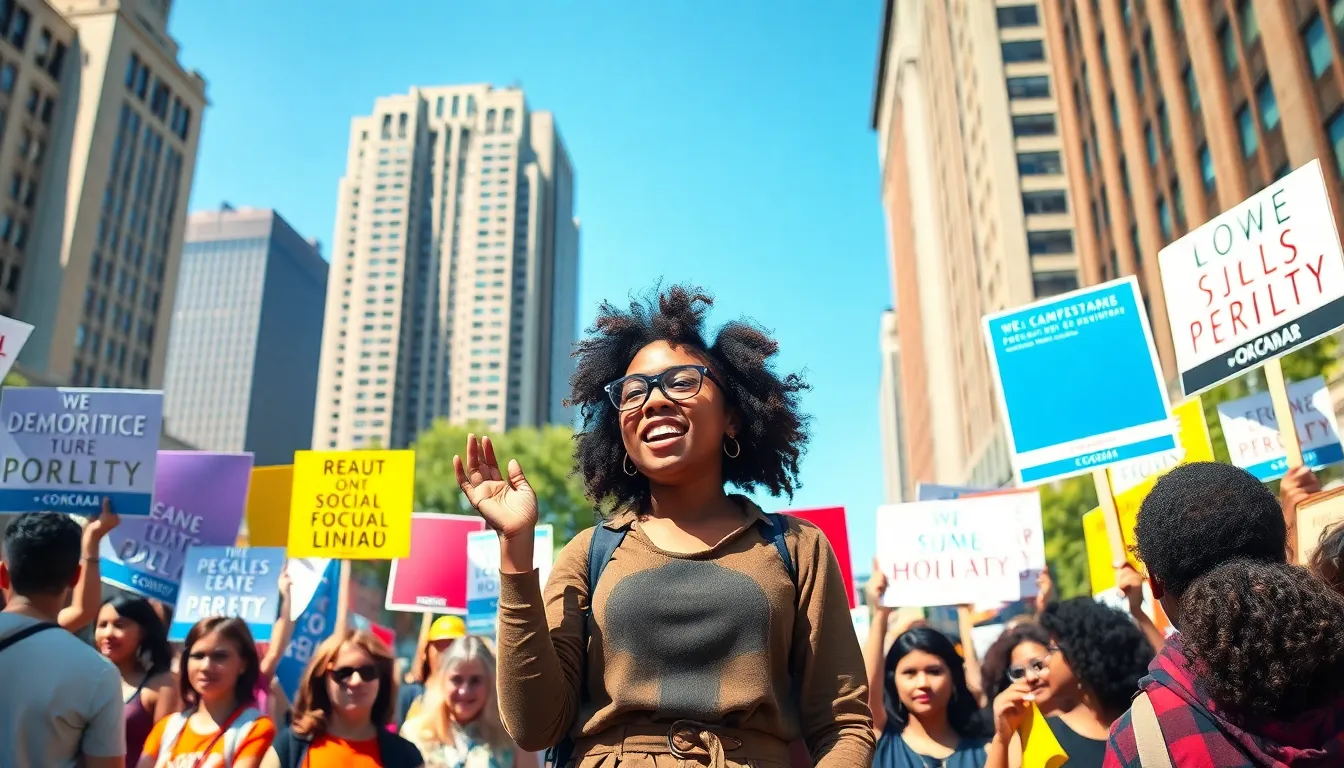
Political history isn’t just a collection of dusty textbooks and boring lectures; it’s the wild rollercoaster ride of humanity. From ancient empires to modern democracies, every twist and turn tells a story of power, ambition, and sometimes, sheer absurdity. Imagine the political debates of yesteryear—where arguments flew like confetti and alliances were as fickle as a cat on a hot tin roof.
As they journey through the ages, readers will discover the triumphs and blunders that shaped nations. This exploration reveals not just who held the reins of power but also the colorful characters who made history come alive. Buckle up for a captivating ride through the ages, where every chapter offers lessons, laughs, and a reminder that politics has always been a little bit crazy.
Overview Of Political History
Political history reveals the evolution of governance and authority throughout time. Ancient empires like Rome and Greece set foundational principles for future systems. Monarchies dominated much of the medieval period, showcasing the transfer of power through dynasties and conquests. The emergence of republics introduced ideas of democracy and citizenship, fostering political thought that influenced modern governance.
Revolutions such as the American and French altered the political landscape significantly. These events marked pivotal shifts toward individual rights and representative government. The Industrial Revolution also played a crucial role, reshaping class structures and sparking demands for reform.
In the 20th century, the rise of totalitarian regimes illustrated the extremes of political power. Authoritarian governments often suppressed dissent while promoting nationalistic agendas. Conversely, the establishment of international organizations like the United Nations aimed to maintain peace and foster cooperation among nations.
Political history offers insights into the complexities of power dynamics. The narratives of influential leaders, movements, and ideologies reflect the multifaceted nature of governance. Understanding these historical developments provides context for contemporary political issues, highlighting the cyclical nature of political ambitions.
Contemporary political systems continue to evolve, shaped by globalization and technology. Public engagement and activism are essential, underscoring the need for citizen involvement in democratic processes. Political history serves not just as a record of past events but also as a guide for future generations navigating the ever-changing world of governance.
Key Events Shaping Political History
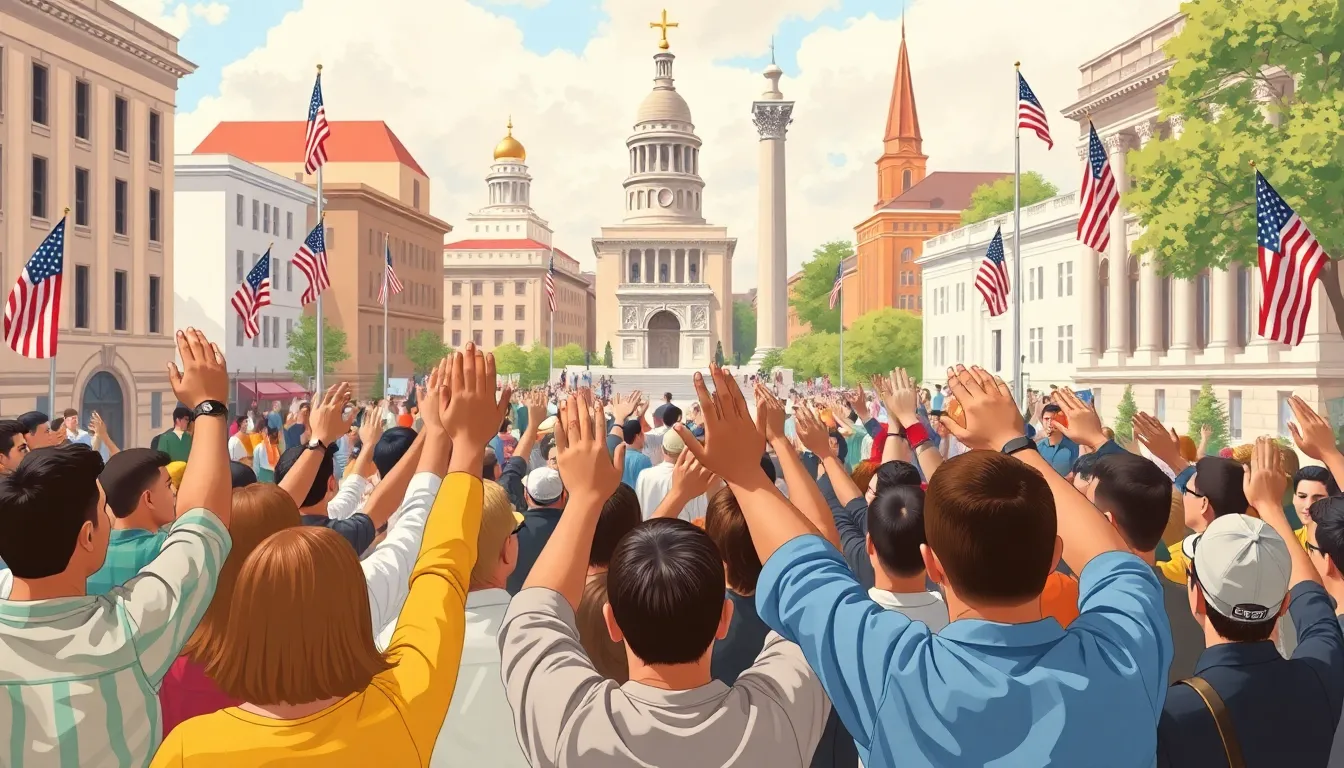
Political history is marked by significant events that transformed governance and societal structures globally. Key moments paved the way for modern political systems.
The Birth of Democracies
Greece introduced democracy in the 5th century BCE, which laid the groundwork for civic participation. Citizens gained rights to vote, a revolutionary concept that spread across Europe. The Roman Republic also contributed by emphasizing representative government. Through these early forms, individuals began to challenge monarchies. Movements advocating for democratic principles highlighted the importance of individual rights. In the late 18th century, America and France embraced these ideals, directly influencing other nations towards democratic governance. Each step led to greater accountability and public engagement in political frameworks.
Major Revolutions and Their Impact
Revolutions altered political landscapes throughout history, starting with the American Revolution in 1776. This upheaval prioritized liberty and self-governance, inspiring other countries. The French Revolution followed in 1789 and showcased the desire for equality. Concepts such as fraternity and solidarity fueled social and political change in Europe and beyond. The 19th century saw revolutions in Latin America, leading to independence movements across the region. Each major revolution carried implications that shaped modern ideologies. The ripple effects of these events still resonate in contemporary political discourse. They serve as crucial reminders of the ongoing struggle for rights and representation.
Influential Political Theories
Political theories have shaped the landscape of governance and society throughout history. Two prominent examples include liberalism and socialism, each with unique origins and evolution.
Liberalism and Its Evolution
Liberalism originated in the late 17th century, emphasizing individual rights and freedoms. Thinkers like John Locke championed the concept of the social contract, advocating for government accountability. Over time, liberalism transformed, adapting to challenges such as industrialization and universal suffrage. By the 19th century, classical liberalism focused on free markets and limited government interference. Modern liberalism emerged in the 20th century, responding to social injustices and advocating for welfare states.
Socialism: Origins and Development
Socialism arose in the early 19th century as a reaction to industrial capitalism’s inequities. Karl Marx and Friedrich Engels articulated the need for collective ownership of production means. Early socialists sought to improve workers’ conditions through reforms. In the mid-20th century, socialism evolved, with democratic socialists advocating for political means to achieve economic equality. Various forms of socialism emerged, including democratic socialism and Marxist-Leninism, illustrating the diverse approaches to achieving social justice.
Notable Political Figures
Political history is profoundly influenced by notable figures whose decisions and actions shaped nations. These individuals often possess the ability to impact global events.
Leaders Who Changed the Course of History
Winston Churchill exemplifies resilience during World War II, rallying Britain against Nazi Germany. Abraham Lincoln’s leadership during the American Civil War preserved the Union and abolished slavery. Nelson Mandela’s fight against apartheid in South Africa redefined racial justice and reconciliation. Margaret Thatcher, as the first female Prime Minister of the UK, brought significant economic reforms. Indira Gandhi’s tenure in India saw ambitious policies aimed at modernization and national development. Each leader presented unique approaches to governance that influenced their respective nations and beyond.
The Role of Political Activists
Political activists play a crucial role in mobilizing public support and influencing change. Malala Yousafzai advocates for girls’ education worldwide, facing adversity following a brutal attack. Rosa Parks sparked the American Civil Rights Movement by challenging racial segregation. Greta Thunberg has raised global awareness about climate change through striking activism. Activists often drive social movements, pushing for reforms that align with democratic ideals and human rights. Their efforts connect individuals and catalyze substantial governmental and social reforms.
Political History in the Global Context
Political history unfolds as a dynamic interplay of events, ideologies, and influential figures that define nations. Examining distinct regional developments reveals how local contexts contribute to a broader understanding of global politics.
Regional Political Developments
Regions have their own unique political trajectories shaped by culture, economy, and conflict. In Europe, the fall of the Soviet Union in 1991 triggered a wave of democratization that reshaped nations like Poland and Hungary. In Asia, the influence of colonialism led to the rise of independence movements in countries such as India and Indonesia. Africa witnessed the emergence of post-colonial leadership figures like Nelson Mandela, who promoted reconciliation and nation-building. Latin America experienced cycles of dictatorship and democratic resurgence, illustrated by the case of Chile under Allende. These regional developments provide essential insights into how diverse political landscapes have evolved over time.
Globalization and Political Trends
Globalization significantly impacts political trends across borders, connecting societies through commerce, technology, and communication. This interconnectedness has led to the rise of transnational movements advocating for human rights and environmental sustainability. Increased migration patterns create diverse cultural dynamics, challenging traditional political structures. International organizations, like the United Nations, play essential roles in addressing global issues such as climate change and humanitarian crises. Changes in communication technology allow grassroots activism to flourish, exemplified by movements like #MeToo and Black Lives Matter. Such phenomena illustrate the importance of adapting governance to meet the challenges of an increasingly interconnected world.
Political history offers invaluable insights into the complexities of governance and the human experience. It reveals how power dynamics and ideologies have shaped societies across time and space. By understanding the triumphs and failures of past leaders and movements, individuals can better navigate today’s political landscape.
The stories embedded in political history remind us that engagement and activism remain crucial in fostering democratic values. As the world continues to evolve, the lessons learned from history can guide future generations in their pursuit of justice and equity. Embracing this narrative not only enriches one’s understanding of the past but also empowers active participation in shaping a more equitable future.