

History and political science might sound like a couple of stuffy subjects reserved for dusty textbooks and late-night debates. But dig a little deeper, and you’ll find a treasure trove of stories that are as riveting as a binge-worthy series. From the rise and fall of empires to the quirky antics of politicians, understanding these fields is like getting a backstage pass to the greatest show on Earth—humanity itself.
In a world where every tweet can spark a revolution, grasping the interplay between history and politics is more crucial than ever. It’s not just about memorizing dates or names; it’s about connecting the dots and seeing how the past shapes the present. So buckle up and get ready to explore the fascinating world where history meets political science—where every lesson is a plot twist waiting to unfold.
Overview of History and Political Science
History examines the past through events, societies, and cultures, shaping the context for understanding political systems. Political science studies governance, political behavior, and institutional frameworks. The relationship between these two fields enhances comprehension of contemporary issues.
Political ideologies illustrate how historical contexts affect governance. Democratic movements throughout history, such as the American and French revolutions, significantly influenced modern political systems. Understanding these events provides insight into current democratic practices and challenges.
Historical events inform political decision-making. For example, the impact of World War II on international relations continues to shape current geopolitical dynamics. Conflicts, treaties, and alliances born from that period illustrate how history remains relevant in today’s political landscape.
Economic factors also play a key role in the interplay between history and politics. Economic theories like capitalism and socialism emerged from historical contexts, impacting political systems worldwide. Studying these theories reveals how economic conditions can drive political change.
Social movements reflect the connection between history and political science. Women’s suffrage and civil rights movements exemplify how societal changes demand political responses. Analyzing these movements reveals patterns of advocacy and resistance, highlighting the ongoing struggles for equality.
The technological evolution influences both fields as well. The rise of digital media transforms political communication, shaping public perception and political engagement. Understanding the historical development of technology showcases its impact on political dynamics.
Exploring the intersection of history and political science enriches the understanding of societal structures. Lessons from the past provide valuable insights into present-day challenges, equipping individuals to navigate complex political landscapes.
The Interconnection Between History and Political Science
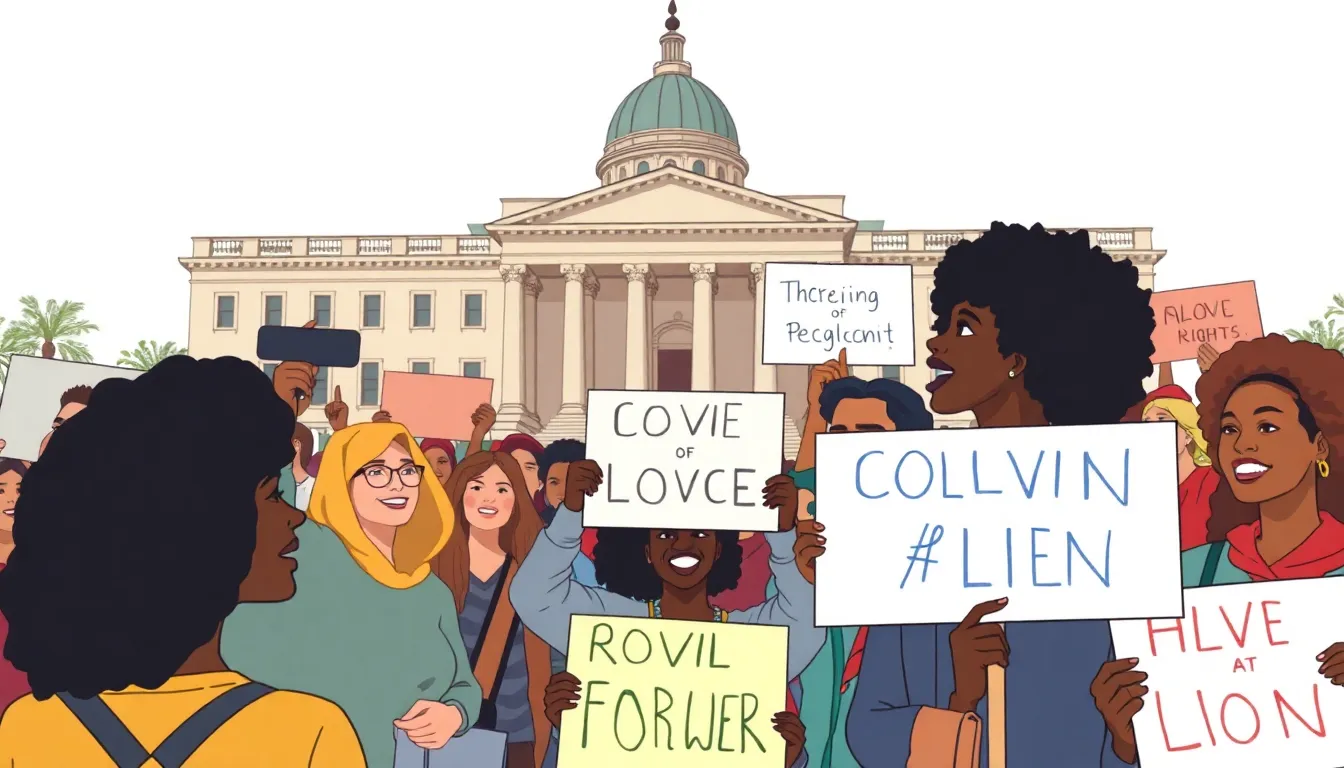
The relationship between history and political science offers valuable insights into governance and societal structures. Understanding this interconnection reveals how past events shape contemporary political discourse.
Historical Context in Political Theories
Historical context significantly influences political theories and ideologies. Consider the Enlightenment, which introduced ideas of liberty and equality, shaping modern democratic thought. Revolutionary movements, such as the American Revolution, demonstrate how historical circumstances prompt shifts in governance. Events like the French Revolution spurred debates on rights and citizenship, altering political frameworks. Scholars often analyze these movements to comprehend the evolution of political systems. Historical moments provide depth to theories, linking past injustices and power struggles to current political challenges. Moreover, the influence of economic systems, such as capitalism and socialism, emerges from historical contexts, highlighting the continuous cycle of belief evolution.
Case Studies in Political History
Case studies reveal the practical implications of history on political events. The civil rights movement in the United States serves as a crucial example, illustrating the impact of social movements on legislation and political power. Activists, drawing on historical injustices, advocated for equality, leading to significant legal changes. The aftermath of World War II reshaped international relations, influencing the creation of the United Nations and NATO. Each instance highlights how historical events instigate long-term changes in governance and societal structures. Political analysts often examine these case studies to draw connections between past precedents and current political realities, emphasizing the necessity of understanding history for informed political engagement.
Key Figures in History and Political Science
Key figures in history and political science influence thoughts and actions on governance and society. Their contributions shape understanding and engagement in these fields.
Influential Historians
Renowned historians include Edward Gibbon and Howard Zinn. Edward Gibbon’s work “The History of the Decline and Fall of the Roman Empire” remains a foundational text in historical analysis. Howard Zinn’s “A People’s History of the United States” offers an alternative perspective on American history, emphasizing marginalized voices. Other notable historians such as Fernand Braudel and Simon Schama have also contributed significantly to historiography, focusing on social and cultural aspects. Their research techniques inform modern historical discourse and encourage critical analysis of past events.
Prominent Political Scientists
Prominent political scientists like Hannah Arendt and John Rawls advance political thought. Hannah Arendt examines totalitarianism, emphasizing human rights and the nature of power. John Rawls’ “A Theory of Justice” presents principles of justice that continue to inform liberal political philosophy. Additionally, figures such as Robert Dahl and Margaret Levi investigate democratic governance and political behavior. Their work critically addresses issues like power dynamics and civic engagement. Insights from these scholars enrich the understanding of political systems and empower informed citizenship.
Methodologies in History and Political Science
Historians and political scientists employ various methodologies to analyze and interpret their subjects. These methodologies enhance the understanding of complex relationships within historical events and political theories.
Qualitative vs. Quantitative Approaches
Qualitative approaches focus on understanding human behavior and the context of political events. They often involve interviews, archival research, and narrative analysis to gather in-depth insights. Quantitative methodologies, in contrast, rely on statistical tools and numerical data. They analyze data sets to identify patterns and test hypotheses about political trends. Each methodology serves distinct purposes, shaping the analysis in unique ways. For instance, qualitative methods could reveal how personal experiences influence political participation, while quantitative analyses might demonstrate trends in voter demographics during elections.
Comparative Analysis Techniques
Comparative analysis techniques examine similarities and differences across various historical events or political systems. Researchers often utilize case studies to identify factors influencing political outcomes, such as economic conditions or social movements. These techniques can highlight the effectiveness of different governance models. For example, examining democratic systems in multiple countries reveals how cultural contexts shape electoral behavior. Additionally, cross-national comparisons assist in understanding policy responses to global challenges, like climate change or migration, analyzing how different nations address similar issues.
Contemporary Relevance of History and Political Science
Understanding history and political science holds substantial relevance in contemporary society. Policymakers utilize historical insights to address current challenges. Current political debates often draw on past events, illuminating how historical precedents shape modern governance.
Social issues frequently arise from historical context. Examples include the impacts of colonialism and civil rights movements on today’s societal structures. Political action often reflects lessons learned from historical events, encouraging informed decision-making among citizens.
Historical narratives influence public opinion on governance. Political ideologies evolve from the contexts of earlier revolutions, revealing their lasting impact. The lessons from events like World War II continue to resonate in international relations and diplomatic discussions.
Political science examines contemporary governance through a historical lens. By analyzing how past leadership styles and policies played out, researchers find patterns that inform current political behavior. This examination provides valuable insights for new political movements, allowing activists to build on past successes and failures.
Various methodologies illustrate how history and political science intersect. Qualitative research captures human experiences, while quantitative data reveals broader political trends. Both approaches empower a deeper understanding of political dynamics, fostering informed civic engagement.
Significant figures in both fields encourage exploration into contemporary issues. Historians and political scientists continuously shape discourse surrounding governance and societal change. Their contributions prompt questions that challenge existing political frameworks, urging the public to reflect on the past.
Ultimately, the intertwined nature of history and political science provides critical insights for today’s challenges. Citizens benefit from understanding this dynamic, enabling more engaged and informed participation in political processes.
The interplay between history and political science reveals much about the world today. By examining past events and their political ramifications, individuals gain valuable insights into current governance and societal changes. Understanding this connection fosters a more informed citizenry, encouraging active participation in political discourse.
As historical narratives continue to shape modern ideologies and movements, the relevance of these fields cannot be overstated. Engaging with history and political science equips individuals with the tools to navigate contemporary challenges, ensuring that lessons from the past inform future decisions. This ongoing exploration is vital for fostering a society that values informed civic engagement and democratic principles.