

Every day in history holds secrets waiting to be uncovered, but some days are downright bizarre. Today, as we dive into the depths of esoteric political history, prepare for a wild ride through the quirkiest corners of governance. From strange alliances to oddball legislation, these tales are sure to tickle your brain and maybe even your funny bone.
Imagine a world where politicians made decisions based on astrology or where a rogue nation declared war over a missing sock. It sounds absurd, but these are the stories that shaped our world in unexpected ways. So buckle up and get ready to explore the weird and wonderful moments that make history not just informative, but downright entertaining. Who knew politics could be this amusing?
Overview of Esoteric Political History
Esoteric political history examines unusual and unconventional events that shaped governance. This field highlights the bizarre decisions, strange alliances, and odd legislation that have emerged throughout history. It uncovers narratives that may seem amusing yet impact societies and nations profoundly. Politics often intertwines with unpredictable elements, revealing how obscure factors influenced significant political outcomes.
Surprising alliances between unexpected figures offer insights into how strange collaborations can alter the course of events. Curious instances arise when leaders consult astrology before making crucial decisions, reflecting the diverse influences on governance. Legislation born from absurd circumstances frequently arises in this domain, demonstrating that absurdity can occasionally take center stage in political discourse.
Peculiar declarations of war illustrate the complexities of human behavior in the political landscape. Many historical moments showcase intriguing interactions among power players and seemingly irrelevant subjects. These esoteric tales not only entertain but also prompt critical thinking about the nature of power, influence, and decision-making processes.
Exploration of these unique aspects encourages a deeper understanding of political history beyond conventional narratives. Readers discover that recognizing the bizarre elements of governance reveals crucial insights into human nature and societal structures. Through this lens, the study of esoteric political history represents a rich tapestry of events that continue to captivate and inform.
Notable Events on This Day
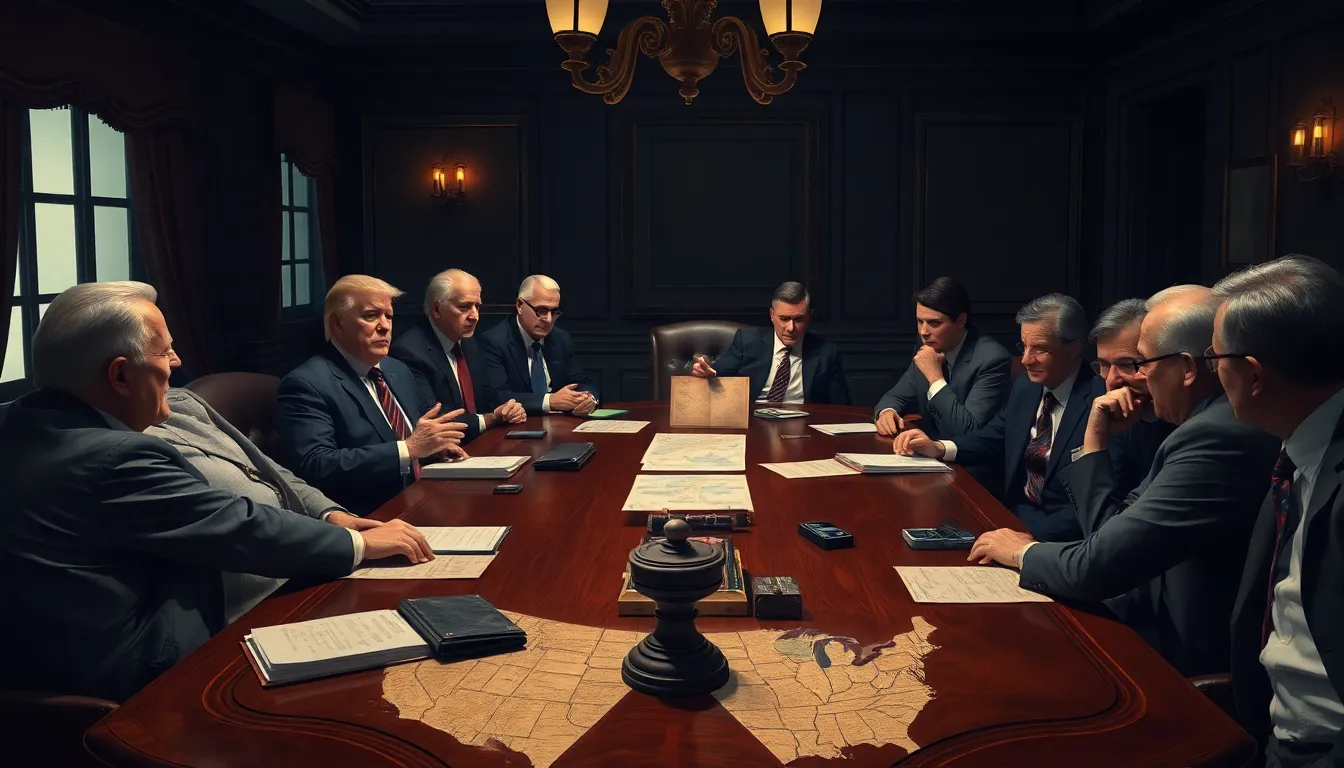
This date marks several intriguing events in esoteric political history that warrant exploration. These occurrences reveal the oddities of governance and the unique moments that have defined political landscapes.
Historical Context
In 1895, a clandestine meeting took place in a secluded location where a group of powerful figures, including journalists and politicians, convened to discuss controversial legislative outcomes. That gathering led to the formation of an unusual political alliance focused on advancing controversial technologies. Also notable, 1974 saw a bizarre moment when an unconventional political party in Italy proposed a platform based entirely on astrology, challenging traditional political thinking. Such instances underscore how unconventional ideas have sometimes gained traction in political history.
Key Figures Involved
Key individuals played vital roles in these peculiar events. The influential journalist who organized the 1895 gathering pressed for revolutionary strategies that shaped modern governance. A well-known politician from the Italian Zodiac Party boldly advocated for astrology-based policies, attracting attention from the media and public alike. Additionally, a prominent thinker emerged during the 1974 astrology movement, advocating for new perspectives in politics; their concepts gained significant traction. These figures, with their unconventional approaches, illustrate how unorthodox ideas can impact political developments.
Impact of These Events
Esoteric political history reveals profound influences that shape societies and nations. Examining these peculiar moments helps understand their lasting effects.
Societal Changes
Unusual political events often prompt significant changes within societies. For instance, the 1974 astrology-based political platform in Italy challenged traditional beliefs, igniting public debate over policies. Such platforms encourage citizens to question established norms. Clandestine meetings can also lead to shifts in public perception, as influential figures unite to advocate for unconventional technologies. New ideas introduced during these events facilitate broader conversations around governance. Moreover, the unexpected alliances formed fuel interest in alternative political perspectives, ultimately reshaping societal values. These changes illustrate how whimsy in politics can influence social dynamics on a larger scale.
Political Ramifications
Political ramifications from esoteric events extend beyond immediate implications. Decisions influenced by unconventional thinking often redirect governance strategies. The 1895 meeting of journalists and politicians marked a pivotal moment, where new technologies gained advocacy and support. Such collaborations can redefine the political landscape, merging traditional politics with progressive ideologies. Similarly, the rise of astrology in political discourse reflects a shift towards inclusivity and open-mindedness. These unique situations challenge existing political structures and inspire a reevaluation of how governance operates. Innovative ideas emerging from these events disrupt conventional practices and pave the way for future political developments.
Lessons from This Day in Esoteric Political History
Esoteric political history reveals unexpected insights into governance. Clandestine meetings, like the one in 1895, showcase how unusual alliances can emerge in politics. These gatherings often influence technological advancements and shift public perception significantly. Notable figures, such as the journalist advocating revolutionary strategies, illustrate the power of unconventional thinking.
Peculiar proposals, such as Italy’s astrology-based platform in 1974, challenge traditional political norms. This initiative provoked public debate on innovative policies, emphasizing the role of unorthodox ideas in shaping discourse. Furthermore, such platforms encourage citizens to question established norms, prompting discussions that can redefine societal values.
Leaders consulting astrology for decision-making reflects the unpredictability inherent in political processes. This practice garners attention for its intriguing blend of tradition and modernity. These instances reveal that even bizarre decisions can have far-reaching consequences, impacting societal dynamics and governance strategies.
Absurd legislation emerging from these events often captures the public’s imagination. Such laws remind us that whimsy can permeate political discourse, triggering conversations about pragmatic versus idealistic governance. Political landscapes continue to evolve in response to these unusual influences, emphasizing the complexities of human behavior in politics.
Ultimately, studying these esoteric events reinforces the importance of understanding political history from diverse perspectives. Each narrative holds potential lessons about resilience and adaptability in governance. Individuals exploring this realm enrich their comprehension of political structures and the intricate dance between human nature and power dynamics.
Exploring esoteric political history unveils a captivating narrative filled with unexpected twists and turns. These peculiar events not only entertain but also challenge traditional views on governance and human behavior. The alliances formed in secrecy and the influence of unconventional thought illustrate how politics can be shaped by whimsy and unpredictability.
As readers reflect on these bizarre occurrences, they gain a deeper appreciation for the complexities of political dynamics. The stories of strange legislation and unorthodox platforms serve as reminders that history is often more intricate than it appears. By embracing the unusual aspects of political history, one can uncover valuable insights into the nature of power and the evolution of societal values.