
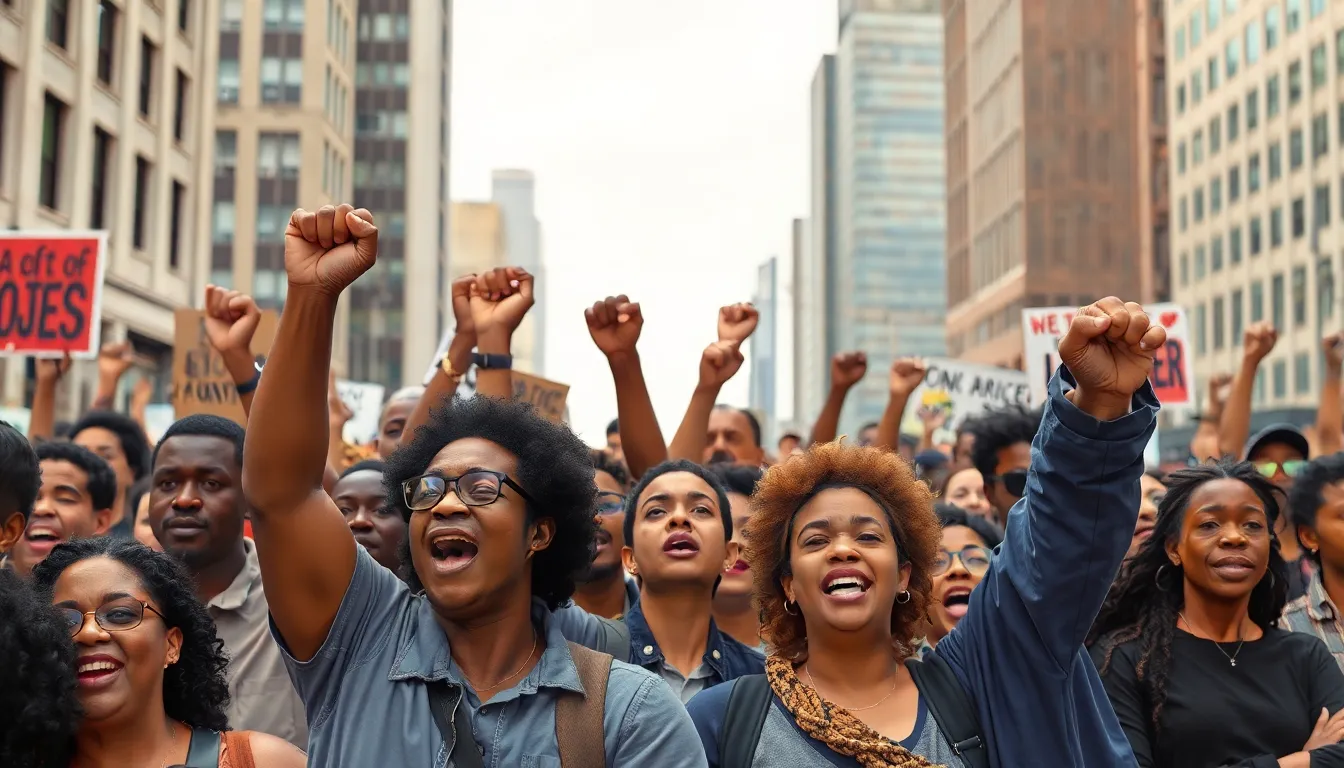
Political violence has shaped the course of history in ways that make even the most thrilling action movie seem like a rom-com. From revolutions to assassinations, these events often spark dramatic changes in society, leaving a trail of chaos and intrigue. While it might be tempting to think of political violence as a relic of the past, it’s more relevant today than ever, reminding us that history has a knack for repeating itself—sometimes with a plot twist.
As we delve into some of the most notorious examples of political violence, we’ll uncover the motivations behind these acts and their lasting impacts. Buckle up for a wild ride through time, where power struggles and passionate ideals collide, and the stakes are nothing short of life and death. After all, history isn’t just about dates and names; it’s about the drama that unfolds when politics gets personal.
Overview of Political Violence
Political violence encompasses a broad range of actions, including riots, assassinations, and revolutions. These acts not only change governments but also alter social landscapes and cultural identities. Understanding the causes of these violent events reveals complex relationships among economic, social, and political factors.
Historical events like the French Revolution illustrate how political violence can arise from deep societal discontent. The revolution’s radical phase involved widespread executions and confrontations, demonstrating the lengths individuals will go to for ideological change. In addition, the Russian Revolution offered insights into how violence can serve as a tool for regime change, emphasizing the clash of differing political ideologies.
Contemporary examples reveal that political violence persists globally. In Syria, civil unrest transformed into a multi-faceted conflict, involving local factions and international actors. This ongoing violence underscores the fragility of peace in regions grappling with authoritarianism and ethnic strife.
Terrorism often surfaces as a manifestation of political violence, aiming to instill fear and achieve specific political goals. Events like the September 11 attacks exhibited how such violence can provoke global repercussions, shifting international security policies and public perceptions of safety.
Multiple factors contribute to political violence, including power struggles, economic disparities, and social injustices. These elements intersect, complicating the landscape of political action and response. Analyzing historical instances deepens understanding and reveals patterns that could inform contemporary approaches to conflict resolution.
The French Revolution
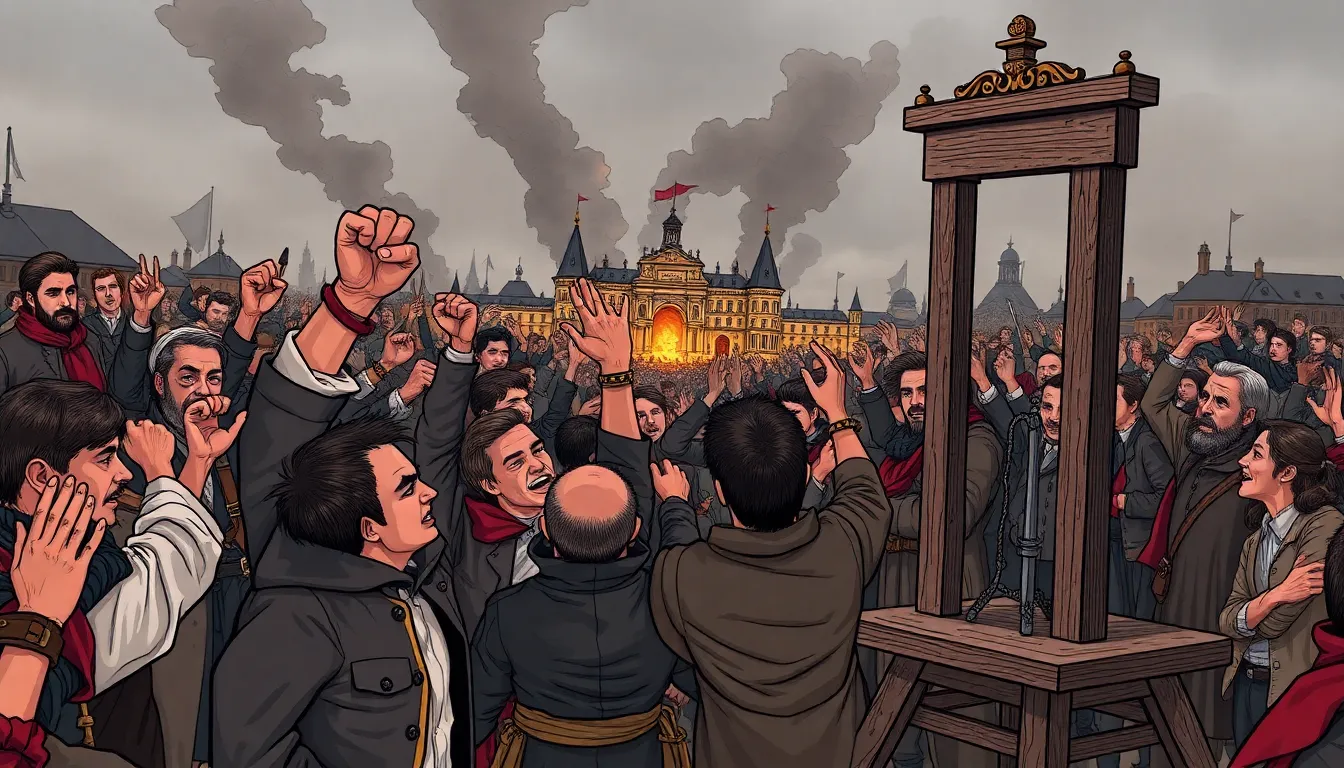
The French Revolution represents a crucial moment in history characterized by political violence and societal upheaval. It illustrates the power of radical change stemming from deep-rooted grievances.
The Reign of Terror
The Reign of Terror, occurring from September 1793 to July 1794, marked an intense period of violence during the Revolution. Revolutionary leaders, fueled by fear of counter-revolution, initiated mass executions. The use of the guillotine became infamous, with approximately 16,000 people executed, including prominent figures like Louis XVI and Marie Antoinette. Those accused of treason faced relentless persecution, reflecting the paranoia of the ruling government. The Committee of Public Safety, wielding significant power, justified these actions as necessary for the Republic’s survival.
Popular Revolts
Popular revolts emerged throughout the French Revolution, showcasing collective anger against the monarchy and oppressive conditions. The storming of the Bastille on July 14, 1789, symbolized the uprising against tyranny. Citizens united to express discontent with high taxes and food shortages, leading to widespread chaos. Events like the Women’s March on Versailles in October 1789 demonstrated the resolve of everyday people demanding bread and political representation. These uprisings significantly influenced revolutionary politics, highlighting the importance of public engagement in driving change.
World War II and Its Aftermath
World War II spurred significant political violence, shaping global dynamics in lasting ways.
The Holocaust
The Holocaust represents one of the darkest chapters in modern history. Approximately six million Jews were systematically murdered under Nazi rule from 1941 to 1945. Concentration camps became sites of unimaginable brutality, exemplifying the extreme consequences of political ideology turned violent. Ethnic cleansing targeted not only Jews but also Romani people, disabled individuals, and political dissidents. This genocide wasn’t just a horrific event; it forever changed societal views on human rights and the need for accountability. Memorials and educational programs exist today to ensure remembrance and prevent future atrocities.
Political Reprisals
Political reprisals emerged as a common consequence of World War II’s upheavals. In numerous countries, leaders targeted opponents for perceived treachery or collaboration. After the war, trials like the Nuremberg Trials sought to hold Nazi officials accountable, marking a moment of historical reckoning. Resistance movements faced brutal crackdowns, particularly in Eastern Europe, where Soviet expansion imposed oppressive regimes. Civilian populations often bore the brunt of these reprisals, as widespread purges and executions decimated trust within communities. These actions underscored the fragile balance between power and accountability in post-war societies.
Civil Rights Movement in the United States
The Civil Rights Movement in the United States exemplifies political violence’s impact on society. Activists fought tirelessly for racial equality and justice against systemic oppression.
The Use of Violence Against Protestors
Police brutality frequently targeted peaceful demonstrators during the Civil Rights Movement. Authorities employed violent tactics to disperse protests, such as the brutal attack on marchers in Selma during the 1965 voting rights march, known as “Bloody Sunday.” This event saw law enforcement unleash physical violence, shocking the nation and drawing wide media coverage. Violent responses aimed to intimidate activists but instead galvanized public support for the movement. In Birmingham, police used fire hoses and police dogs against protesters, illustrating the violent measures often used to suppress civil rights activism.
Responses from the Government
Government responses varied, reflecting both support and hostility. While some federal leaders called for reforms, others maintained a staunch opposition to desegregation efforts. The Kennedy administration took steps to protect civil rights but faced pushback from Southern governors. President Lyndon B. Johnson’s support for the Voting Rights Act of 1965 marked a significant federal commitment to end racial discrimination in voting. However, violence against civil rights leaders persisted, exemplified by the assassination of Martin Luther King Jr. in 1968, which highlighted the dangerous tensions surrounding the movement.
Modern Examples of Political Violence
Political violence remains a crucial issue in modern history. Numerous events have underscored its far-reaching effects on societies.
The Arab Spring
The Arab Spring began in 2010 as a wave of protests across the Arab world. Citizens sought political reforms, economic justice, and an end to oppressive regimes. Tunisia’s uprising successfully ousted President Zine El Abidine Ben Ali, inspiring demonstrations elsewhere. In Egypt, the 2011 protests led to the removal of President Hosni Mubarak. Unfortunately, the movement also escalated conflict in countries like Syria, where protests turned violent, leading to civil war that has resulted in hundreds of thousands of deaths and millions displaced. The faltering of political transitions in several nations illustrates the unpredictability of political violence in shaping society.
Current Global Conflicts
Violence influenced by political ideologies persists globally. In Yemen, a multifaceted conflict involving the Houthi movement and government forces remains devastating, leading to one of the world’s worst humanitarian crises. Ethnic strife and political power struggles define conflicts in regions like South Sudan and Myanmar, where violence often targets specific communities. In Ukraine, the Russian invasion in 2022 triggered widespread violence and a massive refugee crisis, emphasizing geopolitical tensions. Various factors like economic turmoil and social injustice continue to fuel these ongoing conflicts, often impacting civilians the most. Such circumstances demonstrate the complexity of contemporary political violence and the need for effective conflict resolution strategies.
Political violence has shaped societies across history and continues to influence the modern world. By examining its various forms and notable instances, one can grasp the complexities that drive individuals and groups to resort to violence for political ends. The repercussions of these actions often extend far beyond their immediate context, impacting cultural identities and societal norms. Understanding these dynamics is crucial for addressing current conflicts and fostering effective resolutions. As the world faces ongoing political unrest, the lessons learned from historical examples remain vital for navigating future challenges.