

Imagine a chilling night in the woods where every decision could lead to survival or doom. That’s the essence of “Until Dawn,” a game that captivated players with its gripping narrative and spine-tingling suspense. Now, this thrilling experience is making its way to the big screen, promising to keep audiences on the edge of their seats—unless they’re too scared to sit down!
Overview of Until Dawn
“Until Dawn” is a survival horror video game developed by Supermassive Games and released in August 2015. The game places players in the shoes of eight characters stranded in a remote mountain lodge facing a mysterious threat. Choices matter significantly, influencing character survival and the narrative’s outcome.
Each character possesses unique traits and story arcs, enhancing player investment. Players navigate through environments filled with tension while managing quick-time events and decision-making scenarios. These elements create a high-stakes experience that drives engagement.
The game features a butterfly effect mechanic, where small choices lead to significant consequences later on. This design encourages replayability as players explore various outcomes and discover hidden secrets. “Until Dawn” received praise for its storytelling, graphics, and voice acting. Critics noted that the game successfully evokes fear and suspense, immersing players into its chilling atmosphere.
An adaptation into film has generated excitement among fans. The movie aims to capture the game’s intense essence while introducing new elements to the story. Expectations remain high for how the film will translate the interactive experience to a cinematic format. The strong character dynamics and plot twists offer rich material for the screen.
Buzz surrounds the adaptation’s potential to attract both gamers and horror movie enthusiasts. Anticipation builds as the release date approaches, promising a thrilling ride for viewers. The connection between gaming and film continues to grow, with “Until Dawn” exemplifying this crossover in engaging ways.
Comparison of Movie and Game
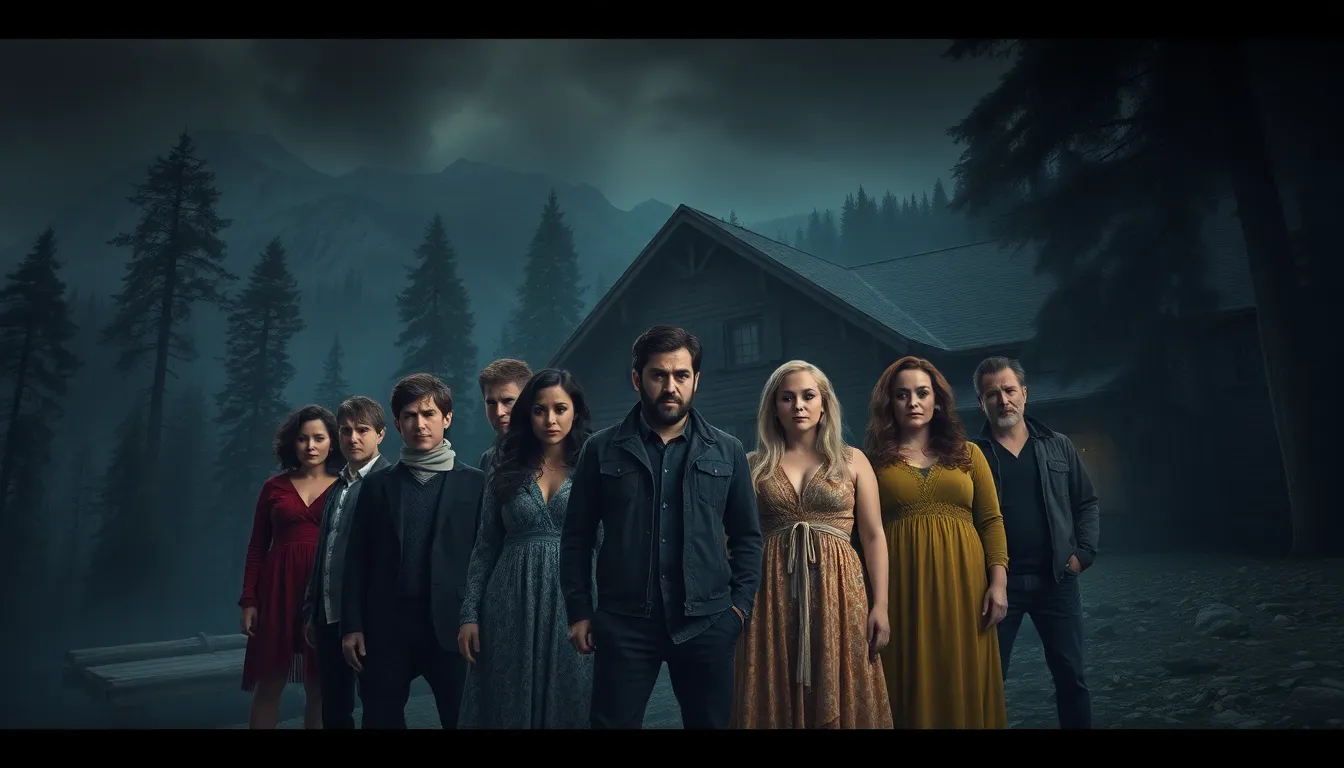
The film adaptation of “Until Dawn” mirrors many elements of the original game while introducing unique twists.
Similarities
Both the movie and game feature a group of eight characters. They find themselves in a remote mountain lodge surrounded by a menacing forest. Each character’s choices lead to diverse outcomes, emphasizing the narrative’s butterfly effect. Tension builds through similar horror elements, such as jump scares and psychological suspense. Audio and visual aesthetics in both mediums create an immersive atmosphere that captivates the audience. Strong relationships between characters add depth to the story, allowing viewers and players to invest emotionally in their fates.
Differences
The film introduces new characters not present in the game, expanding the narrative landscape. Different plot twists enhance suspense, creating a fresh viewing experience. Character development varies between the two formats; the movie may focus more on backstories to increase emotional engagement. Pacing differs significantly; films typically move faster than interactive gameplay. Reactions and decisions made by characters in the movie are predetermined, unlike the game where player choices dictate outcomes. These adaptations offer a new interpretation while maintaining the core essence of the original story.
Character Analysis
The film adaptation of “Until Dawn” features characters that engage viewers through their complex personalities and relationships. These adaptations often emphasize emotional depth and backstories, enriching the overall narrative.
Key Characters in the Movie
The movie introduces new characters alongside those from the game. An exciting addition is the character Emily, whose journey brings unique tension to the story. Sam is portrayed as resourceful, showcasing bravery during terrifying moments. Chris stands out with his humor, providing moments of levity amid chaos. Each character faces life-threatening decisions, reflecting themes of trust and betrayal. Additionally, the film develops relationships to heighten emotional stakes, crafting a gripping experience for audiences.
Key Characters in the Game
The game presents memorable characters, each with distinct traits and motivations. Players control Sam, a courageous leader whose actions shape the group’s fate. Mike serves as the love interest, often making impulsive choices that can lead to dangerous situations. Chris brings comic relief, yet he grapples with internal struggles, adding depth to his character arc. Jessica embodies the carefree spirit, whose decisions impact the group’s dynamics. Each character’s development showcases the impact of player choices, enhancing the replay value and engagement throughout the survival horror experience.
Themes and Motifs
The film adaptation of “Until Dawn” showcases themes of survival, choice, and consequence. Survival serves as a central theme, with characters facing life-and-death situations that elevate tension. Choice plays a crucial role in the narrative, driving character decisions that lead to various outcomes. Consequences of actions, illustrated through the butterfly effect, manifest in both the game and film, underpinning the characters’ experiences.
Character relationships emphasize trust and betrayal. Characters must navigate their connections while facing external threats. Friendships are tested under pressure, revealing underlying tensions. Betrayal adds emotional complexity, heightening the stakes and impacting character fates.
Fear manifests in various forms throughout the film. The use of suspenseful elements, such as unexpected twists and psychological tension, enhances the horror experience. Visual elements support these themes, creating an immersive atmosphere that draws viewers in.
The motif of cover and concealment frequently appears. Characters hide from threats, symbolizing their inner struggles alongside external dangers. This motif highlights fears that go beyond physical threats, delving into psychological aspects of survival.
Ultimately, the film adaptation reinforces the original game’s themes while introducing fresh interpretations. By weaving together these elements, it creates a narrative tapestry that resonates with viewers, bridging the gap between interactive and cinematic storytelling. The synergy between character decisions and narrative progression remains at the forefront, ensuring the adaptation retains the essence of the original while providing a new perspective.
Visual and Sound Design
Visual and sound design play crucial roles in crafting the immersive experience of “Until Dawn.” Cinematic visuals, combined with realistic motion capture, create lifelike portrayals of characters, enhancing emotional engagement. High-quality graphics depict the eerie beauty of the remote mountain lodge and surrounding forest, amplifying the sense of isolation and dread.
Lighting choices contribute to the film’s atmosphere, effectively using shadows and dim settings to heighten suspense. Dread builds through carefully placed lighting that sets the scene for pivotal moments. Color palettes, ranging from cold blues to dark reds, further reflect the film’s themes of fear and tension.
Sound design also significantly impacts the overall experience. Ambient sounds, such as rustling leaves and distant animal calls, create a chilling backdrop that pulls viewers into the narrative. Sudden audio cues, like creaks and whispers, intensify key moments, escalating adrenaline levels during critical scenes.
Music enhances mood and supports storytelling, with a score that transitions from haunting melodies to intense crescendos. Themes reflect character emotions, linking the audience to their struggles and choices throughout the film. Soundtracks link the game’s original audio motifs while layering new compositions, establishing continuity for fans.
Both the game and its adaptation use visual and sound elements to establish an eerie ambiance. This synergy between visuals and audio fosters an immersive horror experience, drawing viewers deeper into the gripping narrative. Collaboration among directors, cinematographers, and sound designers ensures that the film resonates well with audiences who appreciate both the gaming and cinematic aspects of suspense.
Audience Reception
Audience reception of the movie adaptation of “Until Dawn” has generated considerable interest. Critics praised the film for its tension and character development, closely mirroring the game’s emotional depth. Reviews highlighted the strong performances of the cast, with each actor bringing the complex characters to life.
Viewers expressed enthusiasm for the film’s horror elements, noting how the suspenseful atmosphere parallels the original game’s immersive experience. Some fans appreciated the blend of new plot twists and characters, adding layers to the story while maintaining the established core narrative.
The adaptation’s pacing captured attention, especially how it differs from gameplay. While the game allowed players to explore decisions extensively, the film opted for a faster narrative flow, engaging audiences quickly. Emotional stakes heightened as relationships unfolded onscreen, revealing layers of trust and betrayal that resonated with viewers.
Fan reactions predominantly view the adaptation as a successful tribute to the original game. Social media buzz reflects excitement about the film’s unique interpretation of beloved characters. Conversations among fans often center on how the movie maintains the thrilling essence while introducing fresh dynamics.
Data from online reviews indicates that a significant portion of the audience finds the adaptation offers a solid blend of horror and drama. Critics reported a positive response to the visual and sound design, which echoes the game’s cinematic experience. The film’s atmospheric approach successfully appeals to both gamers and horror movie aficionados, promising an engaging viewing experience for broader audiences.
The film adaptation of “Until Dawn” promises to deliver an engaging blend of horror and drama that resonates with both fans of the game and new audiences. By maintaining the core themes of choice and consequence, it expands on character dynamics and plot twists, enhancing the emotional stakes.
With its strong visual and sound design, the movie captures the chilling atmosphere that made the game a standout. As anticipation builds for its release, the positive reception from critics and fans alike suggests that this adaptation could redefine how video game narratives translate to the big screen. The connection between gaming and film continues to grow, and “Until Dawn” stands as a testament to that evolution.